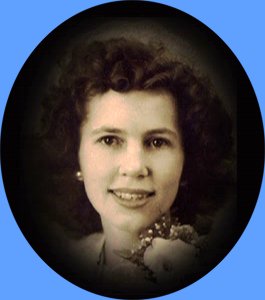
| |
Assignments: 1967 – Retired
1946-1967 – Head Researcher, US NorthWest
1941-1945 – Jessica Larkin
1938-1940 – Duncan MacLeod
1938-1945 – Researcher
1936-1938 – Historian
Mentor: Priscilla Davis
Education: Barnard College
Academy Class Ranking: 5/71 (1936)
Skills: Medieval & Renaissance studies; Researcher Curator; Administration & Organization
|
|

|
|
|
|
Roster Status: Deceased – Autumn 1883 – Captain James Darling
Watcher: Sarah Panzer, Researcher Date: 1938-1967
|
|
|
Iron Horse had been medicine man to the Tlingit of the Pacific Northwest
for generations before the White Man's cavalry decided that the United States government could put their lands to better use than the Red Man had done and took it from them by force. The Army's decision was no doubt helped along by newly arrived Captain James Darling, an Immortal who coveted Iron Horse's Quickening as much as the Indians' lands. Little evidence remains of what happened that fall day along the Cayahote Creek beyond a perfunctory notation in the records of the Fort of what must have ultimately been a massacre. Unfortunately, both Iron Horse and Darling's Watchers were killed. Darling was promoted within weeks of the incident. Of Iron Horse, nothing remained but a "peace" pipe, obviously burned and scarred by a Quickening, which the local Tlingit storytellers have used since to tell the tale of the tremendous storm sent by the Great Spirit to try and help them against the power of the blue-coated soldiers.
|
|
(2.1 - The Watchers)
|
|
|
| |
1938.2 |
|
Duncan MacLeod
Date: before 1 Sept 1938; Seacouver, WA USA
Occupation: Antique Dealer
|
|
| |
I've only been assigned to Duncan MacLeod for three days and already I've seen him in formal wear, watched him do the Lindy, seen him die, and Watched him come back to life. What more can a Watcher hope for in a single weekend? MacLeod is new in town, so I guess he couldn't be expected to know that the Lankovski brothers were nothing but trouble. And it's pretty obvious from his Chronicles that he's always had a soft spot for a pretty singer, and Peggy McCall is that and more. So now I can't wait to see what little adventure MacLeod takes us on tomorrow. I just hope it doesn't involve that weasel Benny Carbassa again.
Sarah Panzer
|
|
(3.11 - Vendetta)
|
|
|
| |
1938.3 |
|
Duncan MacLeod
Date: 1 Sept 1938; Seacouver, WA USA
Occupation: Antique Dealer
|
|
| |
Duncan MacLeod made the front page of the morning paper a couple weeks ago. He rescued a small child from inside a burning building and intrepid girl photographer/reporter Linda Plager was there to cover it. MacLeod must have made a big impression on Linda, because now they've become lovers. MacLeod is encouraging her to stop chasing ambulances and try to find beauty with her camera. I'll bet Linda's going to find out the hard way that the pay for a four car accident is a lot better than for a rosy sunset.
Sarah Panzer
September 1, 1938
|
|
(2.2 - Studies in Light)
|
|
|
| |
1939 |
|
Duncan MacLeod
Date: 1939; Seacouver, WA USA
Occupation: Antique Dealer
|
|
| |
Someday I think MacLeod will look back on this and see that Linda Plager was a very wise woman. I'm sure right now, however, he just knows he's been dumped. And that always hurts, whether you're 14 or 40 or 400. I can't say if Linda did the right thing, leaving Mac to pursue her art -- Linda herself doesn't even know -- but she's smart enough to know she had to give up one to have the other. It's just a shame that the man who showed her how to see the world won't be there to share it with her.
Sarah Panzer
|
|
(2.2 - Studies in Light)
|
|
|
| |
Cover: Society Matron
Location: Seacouver, WA USA
|
|
|
FROM THE TRIBUNAL RECORD: 24 June 1946
To: Watcher Tribunal
From: Alfred Goldberg, Coordinator, US NorthWest
I think it's about time US NorthWest got funding for its own Research Head.
Here's my choice...
*****
To: Alfred Goldberg, Coordinator, US NorthWest
From: Sarah Panzer, Researcher
Re: Coltec
Mr. Goldberg,
I found some discrepancies in the Coltec Chronicles that I took upon
myself to research and I believe I've found a basic flaw in all of the Coltec
research to date. The existing research works from the assumption that Coltec
originally came from the Anasazi culture in the desert southwest. But there is
clear evidence, both from a Dakota folktale and a Cree ceremonial song, that
Coltec came from a green, fertile, water-based culture. My guess would be
Mississippian, but without further research, I can't be sure. Do I have your
go ahead to pursue this line of research further?
|
|
(2.2 - Studies in Light, 3.11 - Vendetta)
|